Jul 12, 2026
Do Hummingbird Swings Really Work? What the Research Actually Shows
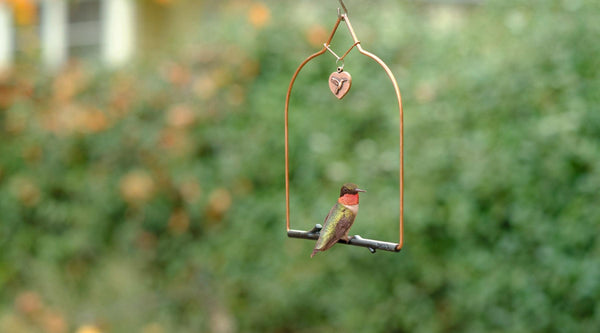
Quick answer: Yes, hummingbird swings work, but not because of the swinging motion. What works is giving hummingbirds a comfortable, natural-feeling perch near their food source. Hummingbirds spend a large share of the day perched rather than flying, and they like to rest and guard their food from perches close to it. We haven't found any research showing that the swinging motion itself adds anything over a stationary perch, so we don't claim it does. The name "swing" is really shorthand for "a dedicated, comfortable perch placed near a feeder," and that's why it works.
There's a healthy amount of skepticism online about whether hummingbird swings are a real tool or just a cute yard decoration. It's a fair question, and the honest answer has two parts: the idea underneath is grounded in how hummingbirds behave, but one specific claim, that the "swinging" itself matters, has no research behind it.
What the Research Actually Supports
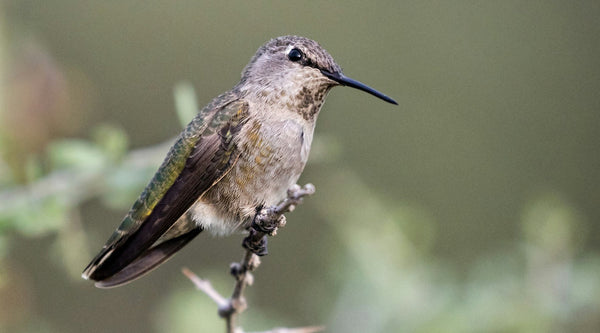
Hummingbirds perch a lot. Classic field studies, summarized in a 1986 paper in Nature, found they spend about 75% of their waking hours perched and only about 20% feeding. That share follows the food. Energy-budget research on wild Broad-billed Hummingbirds, published in Functional Ecology, found it can fall to around 20% perching when flowers are scarce and scattered, and that the birds sit the most when food is abundant and close together. Between feeding bouts they rest to save energy, digest, preen, and watch for competitors and predators. Clemson Cooperative Extension notes that hummingbirds guard feeders and like to perch nearby to keep watch for intruders.
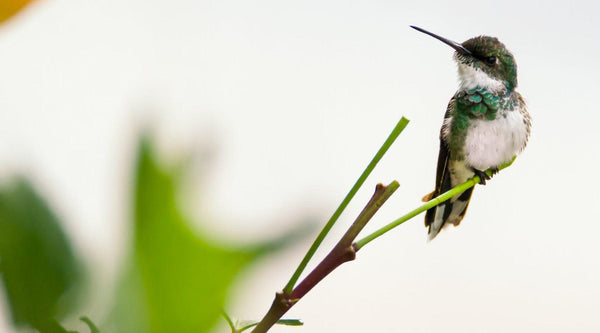
In the wild, they perch on thin twigs and branches, which is the kind of surface a purpose-built perch is designed to mimic. Giving hummingbirds a comfortable perch near a food source fits behavior they already show constantly in nature. We want to be precise about that last step, though. The research shows hummingbirds rest and guard from perches near good food. We haven't found a study showing that adding a perch next to a feeder brings in more hummingbirds or makes visits longer. That step is our reasoning, built on the research. For the full picture of what the studies found, see Do Hummingbirds Really Prefer to Perch? What the Research Shows.
What the Research Doesn't Support (And We Won't Pretend Otherwise)
We haven't found any research showing that a swinging perch attracts hummingbirds better than a fixed one. We think that's worth saying plainly, because it changes what the product name should mean to you. "Swing" is a name, not a mechanical claim. Pop's Original Hummingbird Swing™ isn't designed around the idea that motion is what attracts hummingbirds. It's designed around giving hummingbirds a comfortable, natural-feeling place to perch, which is the part that fits how hummingbirds actually behave. The name reflects the format (a hanging perch), not a special swinging benefit.
So why call it a swing? Because when a hummingbird first lands, its own momentum sets the perch gently swaying. The name describes what happens naturally when a bird uses it, not a feature we're claiming attracts them.

So What Actually Matters in a Perch?
If the swinging motion isn't the key ingredient, what is? Based on how hummingbirds perch in the wild and on our own years of watching swings in use, these are the things we look for. They're our recommendations, not findings from a study of perches:
- A thin, natural-feeling perching surface: not so thick that it's awkward for tiny feet to grip, not so thin that it's uncomfortable.
- Placement close to a food source: we hang ours about a foot from a feeder, since hummingbirds use nearby perches to rest between visits and to guard their feeding territory.
- A clear, visible location: away from dense branches that hide predators, but still offering a sense of cover nearby.
- Durability outdoors: a perch needs to hold up to weather and repeated use just like a feeder does.
This is why Pop's perches are engineered the way they are, mimicking the look, feel, and flexibility of the twigs hummingbirds already seek out, rather than leaning on the swing format as the selling point itself.
Key Takeaways
- Hummingbirds spend a large share of the day perched: about 75% in classic studies, and as little as about 20% when food is scarce.
- They sit the most near good food and like to guard it from nearby perches, which is the behavior a perch by your feeder fits.
- We haven't found research showing the swinging motion itself adds any benefit over a stationary perch.
- "Swing" describes the format, a hanging perch, not a claim that motion attracts hummingbirds.
- What matters, in our experience, is a natural-feeling perching surface, placement near a food source, visibility, and durability.
Frequently Asked Questions
Do hummingbirds actually use swings, or is it just decorative? They're functional, not just decorative. Hummingbirds spend a large share of the day perched, and a nearby swing or perch gives them a comfortable, dedicated spot to rest and keep watch near their food source.
Does the swinging motion itself attract hummingbirds? We haven't found research showing that it does. What matters is that it works as a comfortable, natural-feeling perch, not that it swings.
Why is it called a "swing" if the motion doesn't matter? The name describes the hanging-perch format, not a specific mechanical benefit. It's really shorthand for "a dedicated perch placed near a feeder."
What makes a hummingbird perch actually effective? In our experience: a natural-feeling perching surface, placement about a foot from a food source, a visible but not overly exposed location, and durability outdoors.
Is a hummingbird swing a replacement for a feeder? No. A swing or perch works alongside a feeder. It gives hummingbirds somewhere to rest and keep watch between feeding visits.
Summary
Hummingbird swings work, but it's worth being precise about why. Hummingbirds rest near their food and guard it from nearby perches, and a comfortable perch beside your feeder fits exactly that behavior. We haven't found research showing the swinging motion itself is the magic ingredient, so we don't claim it is. Pop's Original Hummingbird Swing™ is built around the part that fits how hummingbirds actually live: a natural-feeling, well-placed perch that gives them a reason to stick around.
Ready to give your hummingbirds a place to rest? Shop the Original Hummingbird Swing™.

Bethany Sloan has served as General Manager of Pop's Birding since 2010, continuing the legacy of her grandfather, William "Pops" Sloan, inventor of the Original Hummingbird Swing. A lifelong hummingbird enthusiast, educator, and independent researcher, she leads the company's educational content, including its 50-State Hummingbird Guide series, Regional Guide, Species Guide and Hummingbird Learning Center. Bethany combines scientific research, regional migration data, and more than 16 years of hands-on experience to create trusted educational resources for bird enthusiasts across North America.