Jul 01, 2023
How to Clean a Hummingbird Feeder (and Why It Matters)
Quick overview: Clean your hummingbird feeder every 2–3 days in normal conditions, and every 1–2 days in hot weather (90°F+), since nectar can ferment and grow mold in as little as a single day of intense heat. Disassemble the feeder fully, scrub with a bottle brush and hot water, and for visible mold, soak parts in a diluted white vinegar solution (1 part vinegar to 2–4 parts water) or 3% hydrogen peroxide for 10–30 minutes before rinsing thoroughly. Skip the dish soap, and never mix bleach with vinegar.
Cleaning gets talked about less than nectar recipes or feeder placement, but it's one of the most important habits in responsible hummingbird feeding. Nectar is essentially sugar water — a welcoming environment for bacteria and mold, and feeders build up noticeably more microbial growth than natural flower nectar does. A 2019 study from UC Davis, published in the peer-reviewed journal Proceedings of the Royal Society B, found that feeders host dense communities of bacteria and fungi — but the researchers also found that most of those microbes have not actually been linked to disease in hummingbirds. That's a more encouraging picture than "moldy feeder = sick bird," but the same researchers still recommend routine, thorough cleaning, since a small fraction of what grows in feeders has been tied to illness, and moldy or fermented nectar simply isn't something a hummingbird should be drinking regardless.
Why Cleaning Frequency Depends on the Weather
Nectar spoils faster in heat. As a general guideline:
| Outdoor Temperature | Replace Nectar |
|---|---|
| 60–70°F | Weekly |
| 71–80°F | Every 3–4 days |
| 81–85°F | Every 2–3 days |
| 86°F and up | Daily to every other day |
If nectar looks cloudy, has visible mold, or hasn't been touched by birds in longer than the guidelines above, clean and replace it immediately regardless of the calendar.
How Often Should You Clean a Hummingbird Feeder? The Short Answer
If you only remember one number: change the nectar and rinse the feeder at least every 3 to 5 days, and more often once it's hot out. That baseline lines up with guidance from university extension programs — Clemson Cooperative Extension recommends refreshing sugar water twice a week as a baseline and doing a full disassembled wash weekly, with both steps happening more often as temperatures climb. The table above breaks that baseline down further by exact temperature, since "every 3 to 5 days" starts to undercount fast once you're above 85°F.
Signs Your Nectar Needs Changing Right Now
Don't wait for the calendar if you see any of the following — Ask Extension and other extension guidance point to the same short list of red flags:
- Cloudy, milky-looking nectar (a sign fermentation has already started)
- Any visible mold, whether it's a faint film or dark spots around the ports
- A strong sour or fermented smell when you unscrew the reservoir
- A sick or lethargic bird has been seen using the feeder
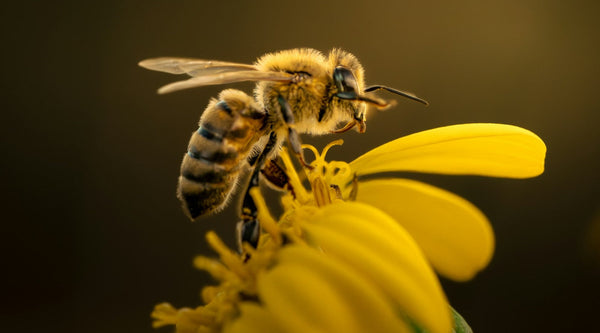
- Ants, bees, or other insects have gotten into the reservoir
The Basic Cleaning Method
- Disassemble completely. Take the feeder fully apart — base, reservoir, feeding ports, and any perch components. Mold hides in seams and corners that stay together during a quick rinse.
- Rinse with hot water to remove loose residue and sugar buildup.
- Scrub with a bottle brush, paying particular attention to feeding ports — a small port brush, pipe cleaner, or even a clean toothbrush works well for tight spots.
- Skip the dish soap. Soap residue can linger in tiny crevices and may be off-putting to hummingbirds. Ask Extension gives the same advice: hot water and a scrub brush handle routine cleaning without it.
- Rinse thoroughly and air dry completely before refilling — any leftover moisture gives mold a head start.
Where (and Where Not) to Clean Your Feeder
One practical tip that rarely makes it into cleaning guides: don't wash your hummingbird feeder in the same sink or basin where you prepare human food. It's a specific recommendation from the same UC Davis research team that studied feeder microbes — a laundry sink, a utility tub, or even a bucket outside works better than the kitchen sink. It's a small habit that closes off cross-contamination in both directions without adding any extra steps to the cleaning routine itself.

Once your feeder is clean and dry, don't leave it empty for long — an empty feeder just means a hungrier wait for the next visitor. Pop's Nectarlyte® Powder mixes up fresh nectar in minutes, so a freshly washed feeder goes right back out filled.
Shop Nectarlyte® Powder →Dealing With Black Mold
If you see visible mold or the feeder has gone longer than it should between cleanings, a deeper treatment is worth the extra few minutes:
- White vinegar soak: Mix 1 part white vinegar to 2–4 parts water, soak parts for 1–2 hours, then scrub and rinse thoroughly. A vinegar-and-water solution with a scrub brush is also the weekly deep-clean method NC State Extension recommends. A faint vinegar smell after rinsing is fine — birds aren't bothered by it once the feeder has dried.
- 3% hydrogen peroxide soak: Available at any drugstore, this is an effective and slightly gentler alternative to vinegar. Soak parts for at least 10 minutes (up to 30 for stubborn spots), then scrub and rinse.
- Diluted bleach (for stubborn cases only): A 1:9 bleach-to-water solution — roughly the 10% dilution Ask Extension recommends — can be used for a short 10-minute soak, but requires a thorough triple rinse afterward, since bleach residue can be harmful to hummingbirds. Never combine bleach and vinegar in the same solution.
If mold has permanently pitted or stained the plastic, that's usually a sign it's time to replace the feeder rather than keep fighting the same buildup.
Is Mold on a Hummingbird Feeder Actually Dangerous?
Usually the concern is more precautionary than an active emergency — but it's still worth taking seriously. The 2019 UC Davis study mentioned above found that the majority of microbes recovered from feeders were not species known to cause disease in hummingbirds. That doesn't mean visible mold is nothing — the same researchers noted a smaller subset of what grows in feeders has been associated with illness, which is exactly why "clean it regularly, not just when it looks bad" remains the standing advice rather than "clean it only once mold appears."
Wondering how long is too long between cleanings? Our nectar storage guide breaks down exactly how long homemade and store-bought nectar stays safe once it's in the feeder — and how that changes with temperature.
Why Dishwasher-Safe Design Actually Matters
A feeder's cleaning method is directly tied to how consistently it actually gets cleaned. Feeders that require full disassembly, have hard-to-reach interior corners, or can't go in a dishwasher tend to get cleaned less often in practice — not because owners don't care, but because friction reduces frequency. A feeder that's genuinely easy to take apart, rinse, and reassemble (or that's dishwasher safe outright) removes that friction entirely.
Is a Hummingbird Feeder Dishwasher Safe? What to Check First
Not all feeders are, and the manufacturer's own instructions are the only reliable answer for a given model — glass reservoirs, hard plastic bases, and simple rubber stoppers generally hold up fine, but anything with fine mesh, thin plastic flowers, or a metal hanger with exposed brass shouldn't go through a hot dishwasher cycle without checking first. When a feeder is listed as dishwasher safe, top-rack placement is standard, since the bottom rack's heating element runs hotter than most feeder plastics are rated for.
Shop the feeder
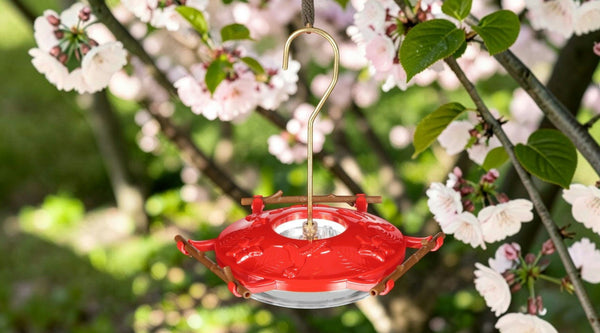
AspenPerch® Hummingbird Feeder, 8 oz

AspenPerch® is dishwasher safe on the top rack and built from just two pieces plus a brass rod — no fiddly parts to lose track of at the sink. It lifts open for filling without a full teardown for routine top-offs, so the "should I clean it today" question is a lot easier to answer "yes" to.
Shop AspenPerch® →A dirty feeder doesn't just risk mold. Leftover nectar and leaky ports are also what draw ants and bees in the first place. Our guide to keeping ants out of a hummingbird feeder covers the fixes that work, starting with the same leak-free, easy-to-clean design discussed above.
Key Takeaways
- Clean every 1–2 days in hot weather, every 2–3 days in moderate weather, and every 3–5 days in cooler conditions — extension guidance backs the same 3-to-5-day baseline.
- Fully disassemble the feeder for cleaning — mold hides in seams that a quick rinse won't reach.
- Skip dish soap; hot water and a bottle brush handle most routine cleaning.
- Wash feeders away from areas where human food is prepared.
- For visible mold, use a diluted white vinegar or 3% hydrogen peroxide soak, and rinse thoroughly.
- Never mix bleach and vinegar, and always triple-rinse after any bleach solution.
- Most feeder microbes aren't linked to hummingbird disease, but regular cleaning still matters — it's precaution, not overreaction.
- A dishwasher-safe, easy-to-disassemble feeder design removes the friction that causes cleaning to be skipped.
Frequently Asked Questions
How often should I clean my hummingbird feeder?
Every 1–2 days in hot weather (90°F+), every 2–3 days in moderate weather, and every 3–5 days in cooler weather. Clean immediately if nectar looks cloudy or moldy, or if you notice a sour smell.
Can I use dish soap to clean a hummingbird feeder?
It's best to avoid it. Dish soap can leave a residue in small crevices that may deter hummingbirds. Hot water and thorough scrubbing are usually sufficient for routine cleaning.
What's the best way to remove mold from a hummingbird feeder?
Soak the disassembled parts in a diluted white vinegar solution (roughly 1 part vinegar to 2–4 parts water) for 1–2 hours, or in 3% hydrogen peroxide for 10–30 minutes, then scrub and rinse thoroughly.
Is it safe to use bleach to clean a hummingbird feeder?
A diluted bleach solution (about 1 part bleach to 9 parts water, roughly a 10% dilution) can be used for stubborn mold, but requires a thorough triple rinse afterward, since bleach residue can be harmful to hummingbirds. Never mix bleach and vinegar together.
Is boiling nectar enough to keep a feeder clean?
No. Boiling kills bacteria already in the nectar, but doesn't prevent new bacteria from entering once birds feed from the reservoir. Regular feeder cleaning is still necessary regardless of how the nectar was prepared.
Is a dishwasher-safe hummingbird feeder actually better?
In practice, yes — feeders that are easy to clean tend to get cleaned more consistently, which directly reduces the friction that leads to skipped cleanings. Just confirm with the manufacturer that your specific model is dishwasher safe before running it through a cycle; not all feeder plastics and hardware can handle the heat.
Can you put a hummingbird feeder in the dishwasher?
Only if the manufacturer lists it as dishwasher safe. When it is, top-rack placement is standard, since the bottom rack runs hotter than most feeder plastics are rated for. If a feeder isn't labeled dishwasher safe, hand-washing is the safer default.
Is mold in a hummingbird feeder actually dangerous to hummingbirds?
Research on feeder microbes found that most species growing in feeders haven't been linked to disease in hummingbirds, but a smaller subset has been associated with illness. That's why regular cleaning is worth keeping up even though a moldy feeder isn't automatically an emergency — it's a precaution against the exception, not the rule.
Is it OK to wash a hummingbird feeder in the kitchen sink?
It's better to avoid it when you can. Washing feeders away from areas where human food is prepared — a laundry sink, utility tub, or outdoor spigot — reduces the chance of cross-contamination in either direction.
Summary
Cleaning is one of the least glamorous parts of hummingbird feeding, but it's one of the most consistent ways to keep nectar safe. Clean on a schedule based on the weather, disassemble fully, skip the dish soap, wash away from food-prep areas, and use a diluted vinegar or hydrogen peroxide soak for visible mold. Most of what grows in a feeder isn't dangerous, but regular cleaning is still the cheapest insurance against the exceptions that are. A feeder that's genuinely easy to clean — dishwasher safe, simple to open — removes the friction that leads to skipped cleanings, which is exactly why AspenPerch® was designed the way it was.
Ready for a feeder that makes this routine simple? Check out our full AspenPerch® Setup & Care Guide for everything else worth knowing about keeping your feeder in top shape.
Shop the Setup That Keeps Cleanup Easy
A dishwasher-safe feeder and add-on bee guards mean less to scrub in the first place, and fresh nectar on hand means your feeder goes right back out after washing. Here's what this guide recommends.


Bethany Sloan has served as General Manager of Pop's Birding since 2010, continuing the legacy of her grandfather, William "Pops" Sloan, inventor of the Original Hummingbird Swing. A lifelong hummingbird enthusiast, educator, and independent researcher, she leads the company's educational content, including its 50-State Hummingbird Guide series, Regional Guide, Species Guide and Hummingbird Learning Center. Bethany combines scientific research, regional migration data, and more than 16 years of hands-on experience to create trusted educational resources for bird enthusiasts across North America.