Oct 13, 2026
Winter Hummingbird Feeder Care: How to Keep Nectar From Freezing
Quick answer: To keep a hummingbird feeder from freezing, use a heated feeder or a feeder heater and leave it on overnight. If you don't have one, bring the feeder in at night and put it back out before dawn, or rotate two feeders so one is always thawed. Keep the regular recipe of 1 part sugar to 4 parts water all winter. Don't make it stronger to stop it freezing. Check the nectar every day, and hang the feeder somewhere sheltered from the wind.
Every fall we hear from people who suddenly have a hummingbird at the feeder when the forecast says snow. Usually they ask two things: will the nectar freeze, and is the bird going to be okay? The good news is that a hummingbird that has chosen to winter in your yard is tougher than it looks. Your job is simple. Keep one source of liquid, clean nectar available from first thing in the morning to last thing at night.
The advice in this guide comes from groups that work with winter hummingbirds firsthand: the Intermountain Bird Observatory at Boise State University, Rocky Point Bird Observatory, Birds Connect Seattle and Bird Alliance of Oregon. Where we're giving our own practical advice instead, we say so.

Do Hummingbirds Stay for the Winter?
Most don't, but a growing number do. Where you live decides which hummingbird is most likely to show up.
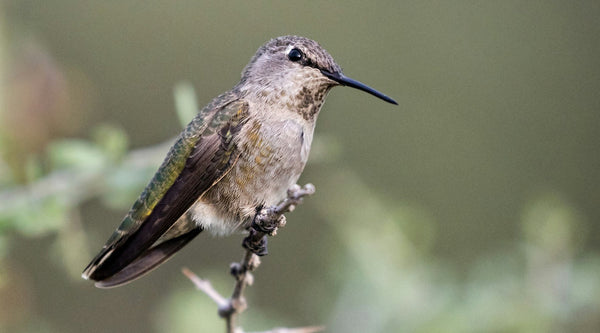
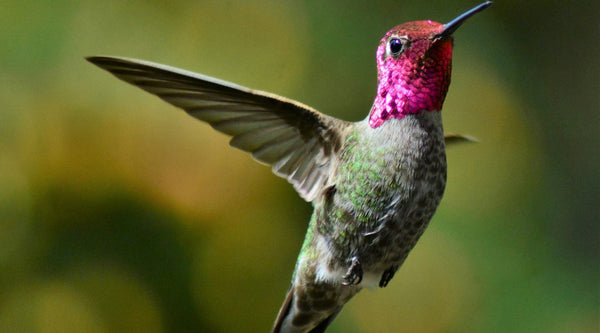
- The West and Pacific Northwest: Anna's Hummingbird is the winter hummingbird of the West. It's present year-round around Seattle, and it's pushing farther inland. In Idaho, a hummingbird seen between mid-October and mid-March has a good chance of being an Anna's, according to the Boise State observatory. Our story of how Anna's Hummingbird expanded its range over the last century explains how a southern California bird came to winter in the snow.
- The Southeast and Gulf Coast: Rufous Hummingbird is the one to watch for. The Georgia DNR Wildlife Resources Division calls it the most common hummingbird seen in Georgia in winter, most often from mid-November through mid-February. Its clockwise migration loop explains how a bird that breeds in the Northwest ends up at a southern feeder in January.
Other species turn up in winter too, and a late bird far from these areas is always worth a photo. For your own corner of the country, our regional guides to the Pacific Northwest, where one hummingbird stays, and the Southeast, where new species are moving in, cover the details.
Still deciding whether to leave your feeder up at all? Leaving it up won't stop hummingbirds from migrating. Our guide on when to put up and take down your hummingbird feeder covers the two-week rule and the regions where feeders can stay up all year.
Should You Change the Nectar Ratio in Winter?
No. Keep the regular 1 part sugar to 4 parts water all winter, including when it's below freezing. This is the question we get most, and it's where you'll find the most conflicting advice online, so here is the full picture.
What About a Stronger 1:3 Mix?
You may have read that a stronger mix, up to about 1 part sugar to 3 parts water, is fine in cold weather. Some well-known feeding guides do allow it. Read the conditions, though. That allowance is for cold, rainy spells when fresh water is plentiful and birds need extra energy. It's rainy-weather advice, not freezing-weather advice.
Once things freeze, the winter hummingbird groups say to stick with 1:4. Birds Connect Seattle acknowledges that extra sugar may help prevent freezing, and still recommends staying at 1:4. Bird Alliance of Oregon gives the same recipe in its cold-weather tips for Anna's Hummingbirds. So that's where we stand: 1:4 year-round. It's the safe side of the line, and we don't recommend 1:3 in freezing weather.
Why Extra Sugar Isn't the Fix for Freezing
Extra sugar does lower the freezing point a little. A regular mix starts to freeze at around 29°F, according to Birds Connect Seattle, so a slightly stronger one buys you only a few degrees, and it brings a hidden problem.
As ice forms in a feeder, it leaves more sugar behind in the liquid that hasn't frozen yet. If the nectar gets too sugary, hummingbirds need free water to dilute it, and in very cold weather there may be none anywhere. Rocky Point Bird Observatory explains this on its winter nectar page. A stronger starting mix just gets there faster.
So fix freezing with the feeder, not the recipe. For the standard recipe in any batch size, see our guide to the correct hummingbird nectar ratio.

How to Keep a Hummingbird Feeder From Freezing
There are three reliable ways to do it. Which one is right for you depends on how cold it gets, whether you have an outdoor outlet, and how early you're up in the morning.
Option 1: A Heated Feeder or Feeder Heater
This is the simplest fix if you have power outside. You can buy a feeder with a heater built in, or a separate heater that sits under a saucer-style feeder and warms it from below. The Boise State observatory recommends heated feeders so nectar stays thawed day and night, and it has tested one into single-digit temperatures.
Three things make a heater work properly:
- Leave it on overnight. A heater keeps a feeder thawed, but it can't melt one that has already frozen. One switched on in the morning is already behind.
- Use an incandescent bulb. Most heaters use a small incandescent bulb. LEDs don't give off enough heat. Keep a spare on hand.
- Change the nectar more often. Warm nectar spoils faster than cold nectar, so a heated feeder needs cleaning more often than an unheated one. Check it every day and change it at the first sign of cloudiness.
We haven't found a recommended temperature range for warmed nectar from any wildlife organization, so we won't make one up. A heater only needs to keep the nectar liquid, not warm.
Option 2: Bring the Feeder In at Night
Hummingbirds don't feed at night, so you can bring the feeder inside at dusk without taking anything away from the birds. The catch is the morning. Pre-dawn is the most important feeding time of a winter hummingbird's day, and the Boise State observatory's winter hummingbird guidance says thawed nectar should be out 30 minutes before sunrise. Put the feeder back out before first light, not after you've had your coffee.
Why the rush? On cold nights hummingbirds drop into torpor, a deep, energy-saving state where their body temperature and heart rate fall far below normal. They wake up with their fuel nearly gone, so the first drink of the day matters most. That's also why a brief gap isn't a disaster. If the feeder is late one morning, the birds will find food elsewhere and check back. Just don't make it a habit.
Option 3: Rotate Two Feeders
With no heater and temperatures below freezing all day, you need two feeders. Keep one indoors at room temperature. When the outdoor feeder starts to freeze, swap them. In hard cold that can mean a swap every couple of hours, and more often in a windy spot.
It's more work than a heater, but it costs nothing extra if you already own two feeders, and the birds always have a full, thawed feeder.

DIY Warming: What's Safe and What Isn't
Lots of people improvise, and some fixes are safer than others. If you go the homemade route:
- Holiday lights: Incandescent Christmas lights strung around a feeder, or a low-watt bulb hung below it, can give off enough heat. LED lights won't. Keep the lights from sitting so close that they damage the feeder.
- Hand warmers: These chemical warmers last about seven hours, so they won't get a feeder through a long night.
- Nothing loose or dangling: Twine, wire, tape, ribbon or decorations near a feeder can entangle a bird that weighs less than a nickel. If you add insulation, make sure nothing is loose.
- Insulation alone won't do it: Wraps like wool socks only slow freezing, and they hide whether the nectar inside has frozen.
- Replace a leaking feeder: A cracked or leaking feeder should come down right away. A wet hummingbird in freezing weather is in real danger.
If you'd rather not run anything electrical, the night swap and two-feeder rotation are the safest choices.
Shop the feeder
AspenPerch® Hummingbird Feeder, 8 oz

Bowl feeders handle winter better than tube-style feeders, because they don't leak through freeze-thaw cycles. The AspenPerch® is an open-bowl, leak-proof design, so you can see slush or cloudiness at a glance from the window. At 8 oz, a fill is small enough that frequent winter changes don't waste much nectar. If you're using the two-feeder rotation, a second AspenPerch® makes the swap quick: one outside, one warming on the counter.
Shop AspenPerch® →Where to Hang a Hummingbird Feeder in Winter
Location matters more in winter than in summer, because wind chill freezes nectar fast. Hang the feeder somewhere sheltered from the wind, and watch for shifts in wind direction as storms move through. The protected side of the house, close to the wall, is usually the best spot. A small umbrella or hanging dome above the feeder helps keep snow off.
Feeder style matters too. Bowl feeders hold up better than tube feeders, which leak in freeze-thaw cycles and can end up with too little sugar in the nectar. Our comparison of saucer, bottle and window hummingbird feeders covers the differences in more detail. For year-round placement basics like height and window distance, see our complete hummingbird feeder placement guide.
If you live in bear country, bringing feeders in at night is a good habit anyway. That's our own practical advice, so check your state wildlife agency for when bears are active where you live.
How Often to Change and Clean a Winter Feeder
Cold slows spoilage, so an unheated feeder in winter can go longer between changes than in summer. A heated feeder is the exception.
| Winter setup | How often |
|---|---|
| Unheated feeder, below 70°F | Change the nectar every 5–6 days |
| Cleaning in cold weather | Every 3–7 days. Clean each time you change the nectar, and throw out what's left. |
| Heated feeder or feeder heater | Check daily; change and clean more often than an unheated feeder |
| Any feeder, any season | Change right away if the nectar turns cloudy |
Our Nectar Change Calculator gives you a schedule based on your own forecast. For the full temperature chart, see how long hummingbird nectar lasts. Cleaning works the same way it does in summer, and our step-by-step guide to cleaning a hummingbird feeder walks through it.

More frequent changes work best with small batches. Nectarlyte® Powder Concentrate mixes at the regular 1:4 strength in warm water, so you can make exactly what one feeder holds on a cold morning. There's nothing left over to store, and it's already at the ratio winter groups recommend.
Shop Nectarlyte® Powder →If you're weighing powder against ready-to-use nectar for winter, our comparison of liquid nectar and powder concentrate lays out the trade-offs.
Once a Hummingbird Depends on You, Stay Consistent
A winter hummingbird that finds a reliable feeder will build its day around it. Once one is counting on your feeder, the Boise State observatory recommends keeping it up until temperatures are back above freezing.
These birds can handle more than most people expect. In the winter of 2018, the observatory banded an adult male Anna's Hummingbird near New Meadows, Idaho. That winter brought 45 days when neither the low nor the high rose above freezing, and some lows hit -10°F. The bird stayed almost the entire winter and seemed healthy and active. A clean, thawed feeder every morning gives your winter visitor that same chance.
If you'll be away, ask a neighbor to handle the morning feeder, or leave a heated feeder running with a fresh fill. If you're setting up an AspenPerch® for the first time this winter, our AspenPerch® setup and cleaning guide walks you through it.
Report Your Winter Hummingbird
A hummingbird at your feeder in December is real data. Researchers are still mapping how winter ranges are shifting. Please share a photo and a sighting on eBird. In Idaho, the Boise State observatory asks residents to report any hummingbird they see between November and March, and its winter hummingbird page has a form for it.
In some states, an unusual winter species needs a report to the state's bird records committee, especially outside its usual range. If you're not sure, photograph the bird well, including the spread tail if you can, and post it to eBird. Local reviewers will flag it if it needs more.
Key Takeaways
- Keep the regular 1:4 recipe all winter, including below freezing. Protect the feeder, not the recipe.
- The 1:3 allowance some guides mention is for cold, rainy spells when fresh water is plentiful. It isn't freezing-weather advice.
- As nectar freezes, the leftover liquid gets more sugary, and birds may find no free water to dilute it.
- A heated feeder or feeder heater is the easiest fix. Leave it on overnight, because a heater can't thaw a feeder that has already frozen.
- No heater? Bring the feeder in at dusk and have thawed nectar out about 30 minutes before sunrise, or rotate two feeders.
- Hang feeders out of the wind. Bowl feeders handle freeze-thaw cycles better than tube feeders.
- Warm nectar spoils faster, so check heated feeders daily. Clean unheated feeders every three to seven days in cold weather.
- Once a hummingbird is relying on your feeder, keep it up until temperatures are above freezing.
Frequently Asked Questions
How do I keep my hummingbird feeder from freezing?
Use a heated feeder or a feeder heater and leave it on overnight. Without a heater, bring the feeder inside at dusk and put it back out before dawn, or rotate two feeders so one is always thawed. Hanging the feeder out of the wind also slows freezing.
Should I make hummingbird nectar stronger in winter?
No. Keep the regular 1 part sugar to 4 parts water. Groups that work with wintering hummingbirds recommend staying at 1:4 even in freezing weather. As nectar freezes, the leftover liquid gets more sugary, and the birds may not find free water to dilute it.
Is a 1:3 nectar ratio OK in cold weather?
Some feeding guides allow up to about 1 part sugar to 3 parts water during cold, rainy spells when fresh water is plentiful. That's a rainy-weather allowance, not freezing-weather advice. Once temperatures drop below freezing, we recommend staying with the regular 1:4.
At what temperature does hummingbird nectar freeze?
A regular 1:4 mix begins to freeze at around 29°F. Wind makes it freeze faster, and the small feeding ports often ice over before the rest of the nectar does.
Are heated hummingbird feeders safe?
Yes, when used properly. The Intermountain Bird Observatory at Boise State recommends heated feeders so nectar stays thawed day and night. Leave the heater on overnight, and check the nectar daily, because warm nectar spoils faster than cold nectar.
Should I leave my hummingbird feeder out in the winter?
If a hummingbird is still visiting, yes. Once a hummingbird is relying on your feeder, keep it up while temperatures stay below freezing. If no hummingbirds are around, take the feeder down about two weeks after your last sighting.
Can I bring my hummingbird feeder in at night?
Yes. Hummingbirds don't feed at night, so bringing the feeder in at dusk is fine. The key is putting it back out early, with thawed nectar ready about 30 minutes before sunrise.
How often should I change a hummingbird feeder in winter?
Below 70°F, change the nectar about every 5 to 6 days, and clean the feeder each time you change it. Heated feeders are the exception. Check them daily and change the nectar more often, because warmth speeds up spoilage. Always change cloudy nectar right away.
Do Christmas lights keep a hummingbird feeder from freezing?
Incandescent lights can, but LED lights don't give off enough heat to work. Keep the lights from touching the feeder, and make sure no wires, tape or decorations dangle where a hummingbird could get caught.
Can hummingbirds survive freezing temperatures?
Yes. They survive cold nights by dropping into torpor, a deep energy-saving state. The Intermountain Bird Observatory followed one Anna's Hummingbird in Idaho through a winter with 45 days that never rose above freezing. A reliable morning feeder makes a real difference.
What kind of feeder is best for winter?
A leak-proof bowl or saucer feeder. Tube-style feeders tend to leak during freeze-thaw cycles. Replace any feeder that cracks, since a wet hummingbird in freezing weather is in real danger.
What hummingbird visits feeders in winter?
In the West and Pacific Northwest, it's most likely an Anna's Hummingbird. In the Southeast and Gulf Coast, it's most likely a Rufous Hummingbird, the most common winter hummingbird in Georgia.
Summary
Winter hummingbird care comes down to keeping liquid, clean nectar available from before dawn until dusk. Keep the regular 1:4 recipe all year, and don't make it stronger to fight freezing. As nectar freezes, the leftover liquid gets more sugary, and winter birds may have no free water to dilute it. Solve freezing with the feeder instead. Use a heater left on overnight, bring the feeder in at night and put it back out before first light, or rotate two feeders. Hang it out of the wind, check heated nectar daily, and once a hummingbird is counting on you, keep the feeder going until it's above freezing.
Shop Your Winter Feeder Setup
Keeping a winter hummingbird fed comes down to a leak-proof feeder, small fresh batches of nectar, and a fill that's ready before first light. Here's what this guide recommends.


Bethany Sloan has served as General Manager of Pop's Birding since 2010, continuing the legacy of her grandfather, William "Pops" Sloan, inventor of the Original Hummingbird Swing. A lifelong hummingbird enthusiast, educator, and independent researcher, she leads the company's educational content, including its 50-State Hummingbird Guide series, Regional Guide, Species Guide and Hummingbird Learning Center. Bethany combines scientific research, regional migration data, and more than 16 years of hands-on experience to create trusted educational resources for bird enthusiasts across North America.