


Hummingbird & Butterfly Wildflower Seed Mix
 12 flower varieties picked to bring hummingbirds, butterflies and other pollinators to your yard.
- One packet covers about 10 sq. ft. Sprinkle, cover lightly and keep moist.
- Non-GMO seed in recycled packaging. Plant in fall or early spring.
 12 flower varieties picked to bring hummingbirds, butterflies and other pollinators to your yard.
Complete your setup
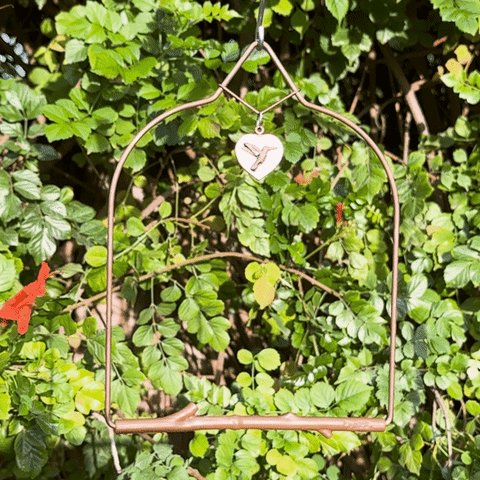


“I’m so happy with how the seed came out. It was easy to plant and looks absolutely beautiful, all the colors!”
Photo shared by Laura, Redlands, CADescription
Pop's Hummingbird & Butterfly Wildflower Seed Mix is specially designed to attract hummingbirds, butterflies and other pollinators to your yard.
It includes 12 seed varieties with a variety of flowering types at various heights, colors and shapes, designed to delight a wide range of hummingbirds, butterflies and pollinators throughout the US. See all 12 flowers and how to plant them below.
How to plant
Fall is the best time to plant: wait for a few frosts, then sow before the ground freezes solid. Missed fall? Plant in early spring once the danger of hard frost has passed.
Specifications
- SKU
- WFLR-HBB
- UPC
- 850047228277
- Dimensions
- 2" (W) x 4" (H) x .1" (D)
- Weight
- Flowers
- 12 varieties, a mix of annuals and perennials
- Bloom time
- Spring, summer and fall
- Flower colors
- Orange, red, yellow, purple, pink and white
- Sunlight
- Half sun / half shade to full sun
- US zones
- 1–10
- Coverage
- About 10 sq. ft. per packet
- Seed
- Non-GMO, in recycled packaging
- Made in
- 100% Made in the USA
- Warranty
- Limited Lifetime Warranty

Why plant flowers for hummingbirds
Hummingbirds need more than sugar water. Planting flowers gives them natural nectar close to your feeder, and brings butterflies and other pollinators to your yard too.
- Nectar-rich flowersA variety of nectar sources to attract and sustain friendly pollinators.
- Support an ecosystemFlowers add natural food to what your feeder offers.
- Colors & sizesFlowering types, heights, shapes and colors that bloom from spring into fall.
- All-natural seedNon-GMO seed, made in the USA, in recycled packaging.
The 12 flowers in the mix
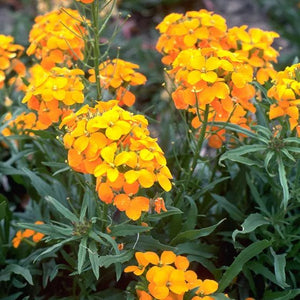
Siberian Wallflower
Cheiranthus allionii
Blooms in Spring. Biennial in cold climates, perennial in warm climates. Grows 10-18" tall
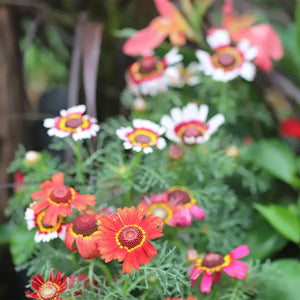
Painted Daisy
Chrysanthemum carinatum
Blooms from Summer to Fall, Perennial flowering. Grows 18-36" tall
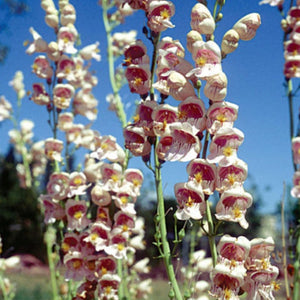
Palmer Penstemon
Penstemon palmeri
Blooms from Spring to Summer. Perennial flowering. Grows 48-60" tall
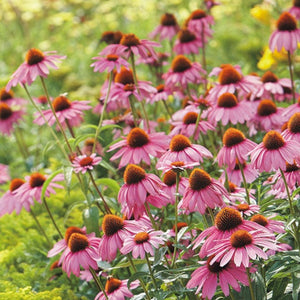
Purple Coneflower
Echinacea purpurea
Blooms in the Summer. Perennial flowering. Grows 12-36" tall
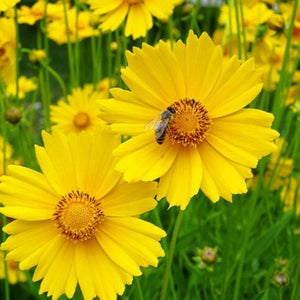
Lance Leaved Coreopsis
Coreopsis lanceolata
Blooms from Spring to Summer, Perennial flowering. Grows 12-24" tall
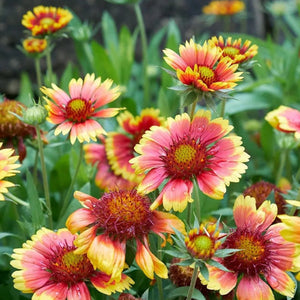
Indian Blanket
Gaillardia pulchella
Blooms in the Summer. Annual flowering. Grows 12-24" tall
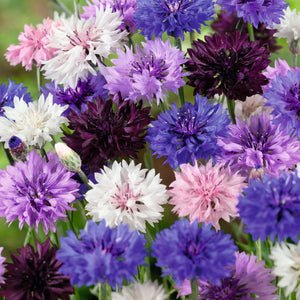
Tall Mixed Centaurea
Centaurea cyanus, tall mixed
Blooms from Spring to Summer. Annual flowering. Grows 36-40" tall
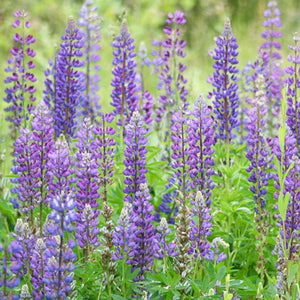
Perennial Lupine
Lupinus perennis
Blooms Spring to Summer. Perennial flowering. Grows 12-36" tall
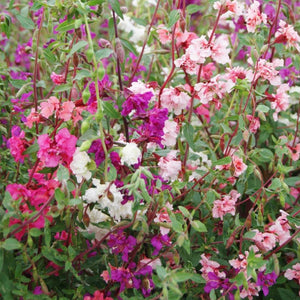
Clarkia
Clarkia unguiculata
Blooms from Summer to Fall. Annual flowering. Grows 12-36" tall
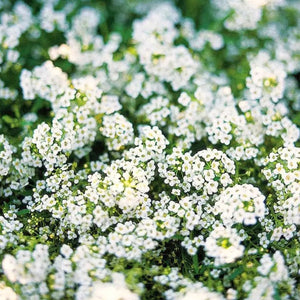
Tall White Sweet Alyssum
Lobularia maritima, tall white
Blooms from Spring to Fall. Annual flowering. Grows 10-16" tall
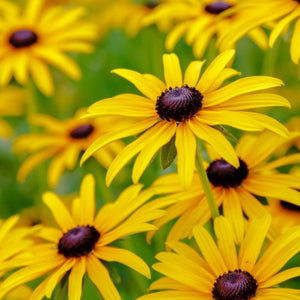
Black-Eyed Susan
Rudbeckia hirta
Blooms from Summer to Fall. Annual flowering. Grows 24-36" tall
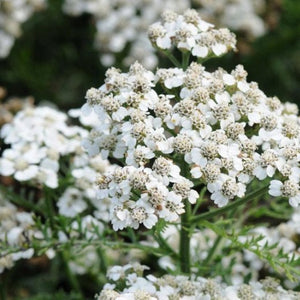
White Yarrow
Achillea millefolium, white
Blooms from Spring to Fall. Perennial flowering. Grows 24-36" tall
As Seen On




Trusted by backyard bird lovers, nature centers, garden retailers, and hummingbird enthusiasts across North America.
Real birds, real backyards
Photos and videos shared by Pop's customers and retailers.
-
Video
It's in the Bag (opens in a new tab)
Shop the AspenPerch® Feeder
High Point, NC -

Megan
Shop the Original Swing
Redlands, CA -

Patty
Shop the AspenPerch® Feeder
Idaho Falls, ID -

Jordan
Shop the Charm Swing
Atlanta, GA -
Video
Patrycja (opens in a new tab)
Shop the AspenPerch® Feeder
Fort Worth, TX


Build a hummingbird sanctuary

Hang it in the right spot
Hang it 4–6 feet high, with morning sun and afternoon shade, near a tree or shrub for cover. Pick a spot you can see from a window. See the placement guide.

Give them a place to rest
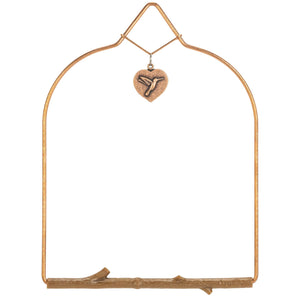
Pop's rule of thumb: hang a hummingbird swing about 1 foot from the feeder, at the same height, so they have a comfortable place to rest beside their food.

Add cover and flowers
Choose a sheltered spot near tall flowering shrubs, so they have somewhere to retreat and natural nectar close by. Pop's wildflower seed mix is an easy start.

Keep the nectar fresh
Change nectar every 2–3 days in normal weather, every 1–2 days when it's 90°F or hotter, and right away if it turns cloudy. Pop's nectar adds calcium and electrolytes.


Pair it with
Shop all


It started with one swing
Captivated by the mystique and originality of the hummingbird, William “Pops” Sloan began the quest to invite more wonder into the lives of birders everywhere, so everyone could experience the joy and awe of a hummingbird sighting firsthand. Thus, the hummingbird swing was born.
Our mission: Pop's Birding is dedicated to helping people attract, understand, and enjoy hummingbirds through innovative products, practical education, and decades of hands-on experience.
Family-run · Made in the USA · Limited lifetime warranty ·Designed by hummingbird enthusiasts
The Pop's Difference
Wildflower seed questions
The things bird lovers ask us most.
Planting
When should I plant wildflower seed?
Fall is the best time. Wait until the weather has turned cool and you've had a few frosts, but sow before the ground freezes solid. The seeds rest in the soil through winter, and the cold helps many wildflower seeds break dormancy so they sprout on their own in spring. In mild-winter areas where the ground doesn't freeze, plant in late fall ahead of your cooler, wetter months. Missed fall? You can also plant in early spring once the danger of hard frost has passed.
How much area does one packet cover?
One packet covers about 10 sq. ft. The 3 pack and 12 pack cover about 30 and 120 sq. ft.
How do I plant the seed?
Prepare a bed of loose soil and sprinkle the seeds over it. Cover them loosely, then keep the soil moist until the plants are about 6" tall. Nutrient-rich soil helps.
The seedlings look like weeds. Is that normal?
Yes. Early growth looks more like weeds until the flowers begin to show. Give the annuals and perennials time to cycle through.
How much sun do the flowers need?
Half sun / half shade to full sun.
Will it grow where I live?
The mix is designed for a wide range of hummingbirds, butterflies and pollinators throughout the US, in USDA zones 1–10.
What's in the mix
Which flowers are in the mix?
12 varieties: Siberian wallflower, painted daisy, lance-leaved coreopsis, purple coneflower, Indian blanket, tall mixed centaurea, Palmer penstemon, clarkia, perennial lupine, tall white sweet alyssum, black-eyed Susan and white yarrow.
Are they annuals or perennials?
A mix of both, so different flowers bloom across spring, summer and fall, in orange, red, yellow, purple, pink and white.
Is the seed non-GMO?
Yes. Pop's seed is non-GMO, made in the USA, and packed in recycled packaging.
Hummingbirds
How soon will hummingbirds visit the flowers?
Flowers need time to grow and bloom, and it may take a while for hummingbirds to find them. A feeder close by gives them a reason to stop in the meantime.
Do I still need a feeder?
Flowers and a feeder work well together. Flowers add natural food, and a feeder with fresh nectar is a reliable stop. Change nectar every 2–3 days in normal weather, every 1–2 days when it's 90°F or hotter, and right away if it turns cloudy.
Ordering
Which pack size should I choose?
A single packet covers a small bed (about 10 sq. ft.). Choose the 3 pack or 12 pack for bigger areas, or to share with friends.
How fast will my order ship?
We ship orders daily, typically within 1–2 business days. During some peak times, orders may ship in 3 days. US orders over $45 ship free.

